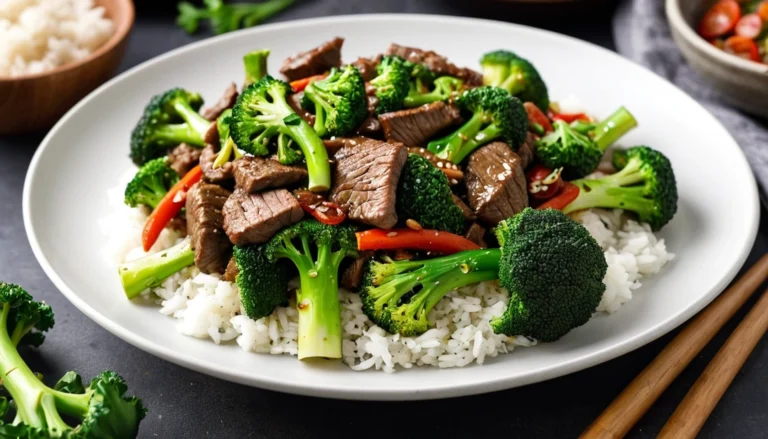
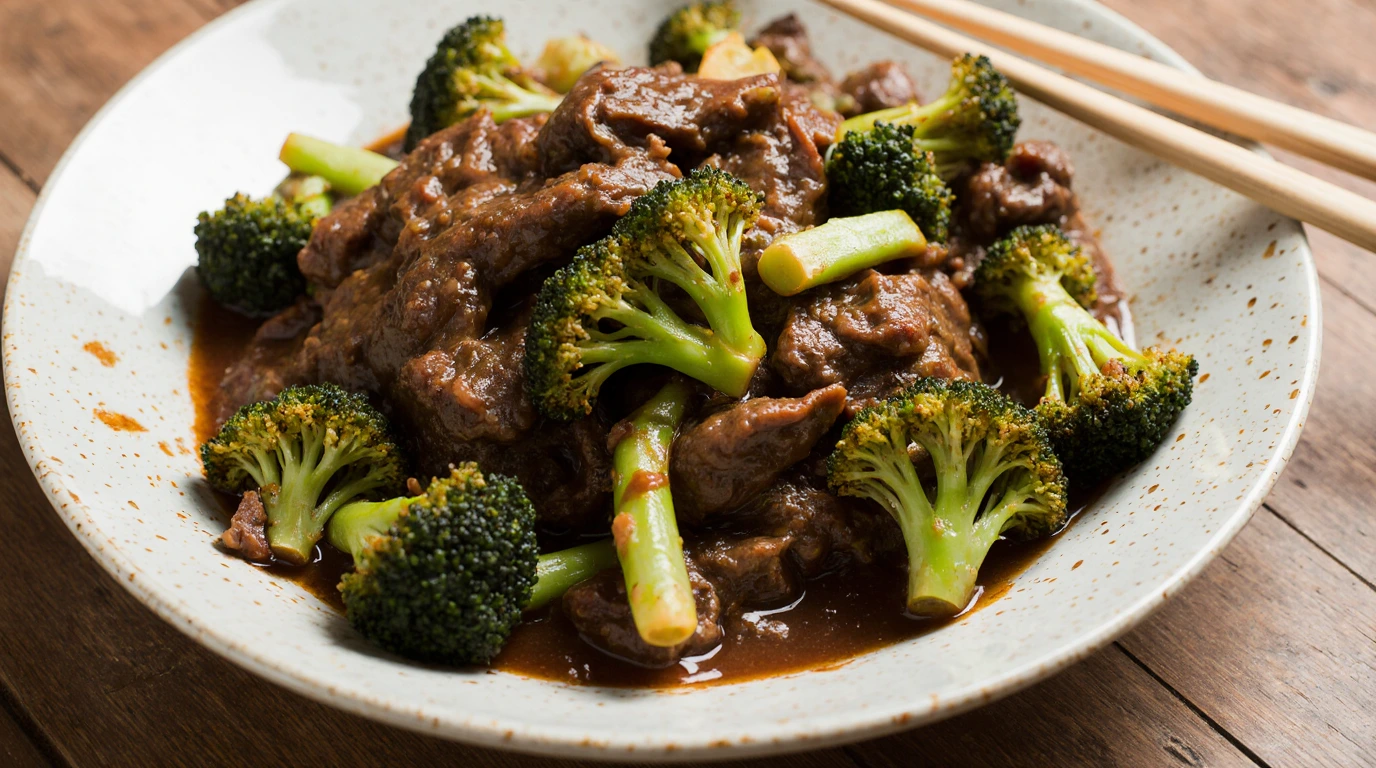
how to cook Chinese beef and broccoli with authentic taste at home.
Table of Contents
Do you love the savory, tender flavors of your favorite takeout? You can make chinese beef and broccoli at home. Many think you need fancy equipment to get restaurant-quality food. But that’s not true.
Learning a few stir-fry basics can turn fresh ingredients into a tasty dinner. This guide shows you how to mix textures and bold flavors for a great homemade beef and broccoli dish. You’ll find cooking this classic is easy and rewarding.

Mastering the heat and timing is key. Follow these steps to improve your cooking and wow your family with a meal that’s truly authentic.
Key Takeaways
- Understand the importance of slicing meat against the grain for maximum tenderness.
- Learn how to properly velvet protein to achieve a silky, restaurant-style texture.
- Discover the best high-heat stir-frying techniques for a smoky flavor profile.
- Master the balance of savory soy, ginger, and garlic in your sauce.
- Keep vegetables crisp by controlling your cooking time precisely.
Essential Ingredients for Authentic Chinese Beef and Broccoli
Every great chinese beef and broccoli dish starts with fresh, authentic ingredients. Choosing quality ingredients makes your cooking stand out. These key ingredients bring the true taste of traditional chinese cuisine to your table.
Selecting the Right Cut of Beef
The meat’s texture is crucial for a great stir-fry. Look for flank steak or sirloin for the best flavor and texture. These cuts cook quickly, keeping the meat tender.
Always slice your beef against the grain. This simple trick makes the meat tender and delicious.
Choosing Fresh Broccoli and Aromatics
Choose vibrant, crisp broccoli for a refreshing contrast. Opt for heads with tight, dark green florets and firm stalks. This keeps the broccoli crunchy during cooking.
Fresh aromatics like ginger and garlic are key. They create the dish’s pungent flavor. Finely mincing them releases their oils, adding depth to the dish.
The Role of Authentic Seasonings and Sauces
Quality pantry staples are essential for the dish’s flavor. Use premium soy sauce, rich oyster sauce, and Shaoxing wine for the authentic taste. These ingredients make your chinese beef and broccoli stir-fry unforgettable.
Shaoxing wine adds a subtle depth that balances the soy sauce’s saltiness. Using these ingredients ensures your dish tastes like your favorite restaurant’s.
Mastering the Technique of Velvetting Beef
Ever wondered why restaurant beef is so tender? It’s all about velvetting. This simple process is key to a perfect beef and broccoli recipe at home. It keeps the meat soft and juicy, not tough.

Why Velvetting is the Secret to Tender Meat
Velvetting protects the beef from wok heat. Without it, the meat can get tough. This technique locks in juices, making the meat silky and tender, just like in asian cooking.
Step-by-Step Velvetting Process
Start by slicing the beef thinly against the grain. Mix it with cornstarch, soy sauce, and oil in a bowl. The cornstarch forms a protective layer, and the oil stops the meat from sticking.
Let the mixture rest for 15 to 20 minutes. This lets the marinade soak into the meat. Then, fry the beef quickly to get it just right.
Common Mistakes to Avoid During Marination
Don’t use too much starch, or your beef will be gummy. Aim for a light dusting. Also, don’t marinate the meat for too long, as it can become too soft.
Make sure your wok is hot before adding the beef. If it’s not hot enough, the starch won’t stick, and the meat will lose its coating. Paying attention to these details will make your beef and broccoli recipe better.
Preparing the Perfect Stir-Fry Sauce
A good sauce is key to a tasty dish. It connects the meat and veggies in your easy beef stir fry. Getting it right means every bite is a delight.

Balancing Savory, Sweet, and Umami Flavors
A great sauce needs a mix of salty, sweet, and savory flavors. Use soy sauce for saltiness, sugar or honey for sweetness, and oyster sauce for depth. This mix is classic in homemade beef and broccoli.
Feel free to tweak these ingredients to your liking. A good oyster sauce adds depth, while soy sauce seasons the beef well.
The Importance of Cornstarch for Thickening
Cornstarch makes your sauce shiny and clingy. Without it, the sauce would just sit at the bottom of your wok. Adding a cornstarch slurry thickens it fast, coating your beef and broccoli well.
Always mix cornstarch with cold water before adding it to the pan. This avoids clumps and gives a smooth sauce.
Adjusting Ratios for Your Personal Preference
You can change the sauce to your taste. Add more garlic for a stronger flavor or honey for sweetness. It’s all up to you.
| Ingredient | Flavor Profile | Purpose |
|---|---|---|
| Soy Sauce | Salty/Savory | Provides the base seasoning |
| Oyster Sauce | Umami/Rich | Adds depth and body |
| Sugar/Honey | Sweet | Balances the saltiness |
| Cornstarch | Neutral | Thickens the sauce texture |
Adjusting these ingredients lets you make your homemade beef and broccoli just right. It’s perfect for any meal, impressing everyone.
Step-by-Step Guide to Cooking Chinese Beef and Broccoli
To make a delicious dinner, you need to follow a specific order. These steps will help you make a great beef and broccoli recipe at home.
Preparing Your Wok and Controlling Heat
Getting your stir-fry right starts with the wok’s temperature. Heat it until it’s smoking hot before adding oil. This high heat cooks your ingredients fast, keeping them moist and flavorful.
Use oils like peanut or vegetable oil because they can handle high heat. When the oil shimmers, move it around the wok. This makes the surface non-stick. Good heat control is key to a great stir-fry.
Searing the Beef for Maximum Flavor
When adding the beef to the hot wok, don’t overcrowd it. Spread the meat out to sear quickly. This creates a flavorful crust in your easy beef stir fry.
Let the beef sit for about thirty seconds to get a nice color. Then, toss it until it’s just cooked. Take the beef out of the wok right away to keep it tender.
Blanching or Steaming Broccoli for the Right Texture
To get the broccoli just right, prepare it before adding it to the wok. Blanching in boiling water for one minute works well. Or, steam it until it’s a vibrant green.
Drain the broccoli well to remove excess water. If it’s too wet, it can make the sauce too thin. Pat it dry with a paper towel to soak up the sauce perfectly.
Combining Ingredients and Finishing the Dish
Put the seared beef and broccoli back in the wok. Add your sauce and stir constantly. The cornstarch in the sauce will thicken quickly, giving you a glossy finish.
This last step brings your easy beef stir fry together fast. Serve it hot to enjoy the best taste and texture. By following these steps, your homemade dish will be just as good as any restaurant’s.
Pro Tips for Achieving Restaurant-Quality Results
Want to make your stir-fry better? Focus on the small details that make expert asian cooking stand out. Ingredients are crucial, but how you cook them matters more. It’s the techniques that make your dish taste and feel amazing.
Managing Moisture in the Wok
Don’t overcrowd the pan. It makes the beef release too much liquid. This turns your ingredients into a soggy mess, losing that vibrant color. Cook your protein in small batches to keep the wok hot and dry.
The Importance of Slicing Against the Grain
For tender beef, use your knife wisely. Slice the meat perpendicular to the muscle fibers. This makes the meat tender and helps it soak up your marinade better.
“The difference between a home-cooked meal and a restaurant dish is often found in the precision of the knife work and the intensity of the heat.”
Professional Chef
How to Achieve the Signature Wok Hei
The “breath of the wok,” or wok hei, is that smoky aroma found in top restaurants. To get it at home, use a very hot wok and stir your ingredients constantly. This way, the heat caramelizes your sauce without burning your veggies.
| Common Mistake | Professional Solution | Result |
|---|---|---|
| Crowding the pan | Cook in small batches | Better sear |
| Slicing with the grain | Slice against the grain | Tender texture |
| Low heat cooking | High heat, constant motion | Authentic wok hei |
Follow these asian cooking tips to improve your stir-fry. Remember, practice makes perfect. Keep working on these techniques until they become second nature.
Healthy Variations and Dietary Adjustments
Small changes in cooking can make healthy Chinese dishes just as tasty. You can adjust your meal to fit your dietary needs while keeping the recipe’s essence.
Lowering Sodium Content in Your Stir-Fry
Many people aim to eat less salt. Try using low-sodium soy sauce to cut down on salt without losing flavor.
Using fresh aromatics like ginger, garlic, and scallions is also smart. They add a lot of flavor, so you can use less bottled sauce and salt.
Incorporating Additional Vegetables for Nutrition
Adding more veggies makes your meal healthier. Try adding sliced bell peppers, snap peas, or carrots to your stir-fry.
These veggies make your dish look and feel better. They also make your meal more nutritious and filling.
Gluten-Free Alternatives for Traditional Sauces
If you or your guests can’t eat gluten, don’t worry. You can use gluten-free tamari or coconut aminos instead of soy sauce.
These options have a similar taste and work well in sauces. Making these changes lets everyone enjoy a tasty, inclusive meal.
Conclusion
Bringing the vibrant flavors of a professional kitchen into your home changes your cooking routine. You now have the basics to make an authentic Chinese dish that’s as good as your favorite takeout.
Consistency is key when using high heat and fresh ingredients. Every time you use your wok, you get better at mixing textures and flavors. This makes you appreciate the art of traditional Chinese cooking more.
Share your cooking with family and friends to celebrate your new skills. Your kitchen is a great place to try new things with aromatics and sauces. Keep trying new things to make your meals more enjoyable.
What ingredient will you try next in your stir-fry? Share your results on social media or give tips to other home cooks. Your culinary journey begins with the next meal you make.