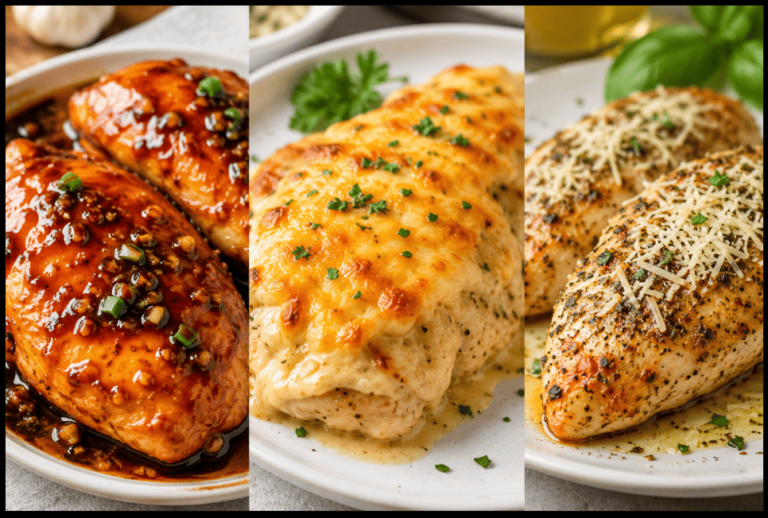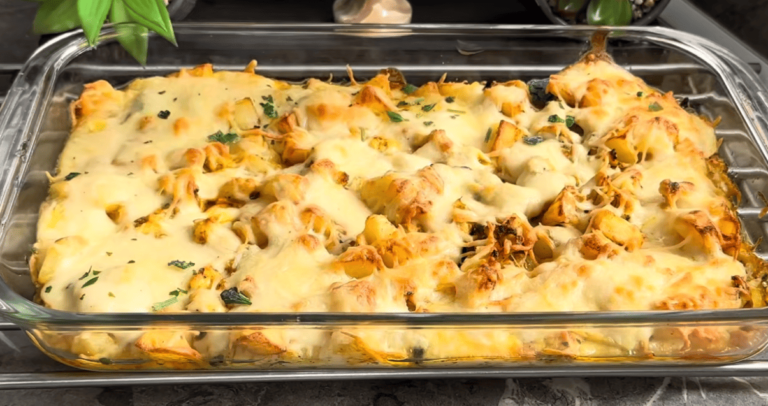
Learn How to Make the Best Chicken Alfredo in Easy Steps (Delicious & Creamy)
Table of Contents
Essential Ingredients for Authentic Chicken Alfredo
Creating a flavorful pasta dish starts before you cook. Using high-quality components turns a simple meal into a gourmet delight. Each ingredient is crucial for the sauce’s texture and taste.
Key Takeaways
- Learn the secrets to a perfectly emulsified, creamy sauce.
- Discover how to select the best fresh ingredients for maximum flavor.
- Master the timing of your pasta and protein for a cohesive meal.
- Gain confidence in your kitchen with easy, repeatable techniques.
- Create a restaurant-style dining experience in your own home.
Selecting the Right Pasta
The pasta shape is more than a choice; it’s a key decision. You need a noodle that holds the sauce well, so it doesn’t slide off.
Fettuccine is the classic choice for a reason. Its wide, flat shape lets the sauce cling to it perfectly. For alternatives, try pappardelle or rigatoni, which trap the sauce in their hollow centers.
Choosing Quality Dairy Products
Authentic Alfredo sauce needs top-notch dairy. The quality of your heavy cream and cheese will show in the sauce.
Choose fresh, heavy cream for a rich, velvety texture. For cheese, skip pre-shredded types and use a block of authentic, aged Parmesan. Grate it yourself for the best flavor.
The Importance of Fresh Aromatics

Fresh aromatics balance the sauce’s creaminess. Garlic is key, giving the dish its savory flavor.
Mince your garlic finely to mix it well with butter without burning. A sprinkle of fresh, vibrant parsley adds color and a clean taste. These choices make the dish unforgettable.
How to Season Chicken for Alfredo to Maximize Flavor
Want to make your pasta dish better? Learning how to season chicken for alfredo is key. A good protein adds a savory touch to the creamy sauce. With the right techniques, every bite will be full of flavor.
Dry Rub Techniques for Juicy Poultry
For juicy chicken, use a dry rub thirty minutes before cooking. This lets the salt soak into the meat, keeping it moist. Always pat the chicken dry with a paper towel before adding spices for a golden crust.
Balancing Herbs and Spices
When seasoning chicken for alfredo, choose flavors that match the sauce. Steer clear of strong, smoky spices. Instead, use a mix of herbs and aromatics for a balanced taste.
| Spice Type | Flavor Profile | Best Use |
|---|---|---|
| Garlic Powder | Savory & Pungent | Base seasoning |
| Dried Oregano | Earthy & Robust | Herbal depth |
| Black Pepper | Sharp & Spicy | Final touch |
“The secret to great poultry is not just the spice, but the patience you show during the cooking process.”
Resting the Meat for Optimal Texture
When your chicken is cooked, take it off the heat right away. Let it rest on a cutting board for five to ten minutes before slicing. This step keeps the chicken tender, not dry.
Learning to season chicken for alfredo well is worth it. With the right rub and a short rest, your dinner will impress. Your guests will love the extra effort you put into it.
Mastering the Perfect Chicken Alfredo Sauce Recipe
Making a creamy chicken alfredo at home can seem hard. It’s all about how fats and liquids mix to create a smooth sauce. With the right chicken alfredo sauce recipe, you can turn simple ingredients into a delicious dish that coats pasta perfectly.
The Science of Emulsification
Emulsification mixes two liquids that don’t usually go together, like butter and cream. Whisking them over heat creates a thick sauce. Using fresh Parmesan cheese is key, as it has proteins that keep the sauce stable.
Managing Heat to Prevent Curdling
Keeping the heat right is crucial. If it gets too high, the sauce will break and become grainy. Use low to medium-low heat to warm the sauce gently.
Achieving the Ideal Consistency
The sauce should stick to noodles but still be smooth. If it’s too thick, add a bit of warm pasta water. If it’s too thin, simmer it while stirring until it’s just right.
| Sauce Issue | Primary Cause | Quick Fix |
|---|---|---|
| Grainy Texture | High heat or pre-shredded cheese | Whisk in a tablespoon of heavy cream |
| Separated Fats | Boiling the sauce | Remove from heat and whisk vigorously |
| Too Thick | Reduced too long | Add a splash of starchy pasta water |
| Too Thin | Insufficient reduction | Simmer longer on low heat |
Step by Step Guide on How to Make Chicken Alfredo

If you want to make chicken alfredo like a pro, get organized. A clear plan helps you stay calm and manage all parts of the dish. This guide will help you make great chicken alfredo every time.
Preparing Your Mise en Place
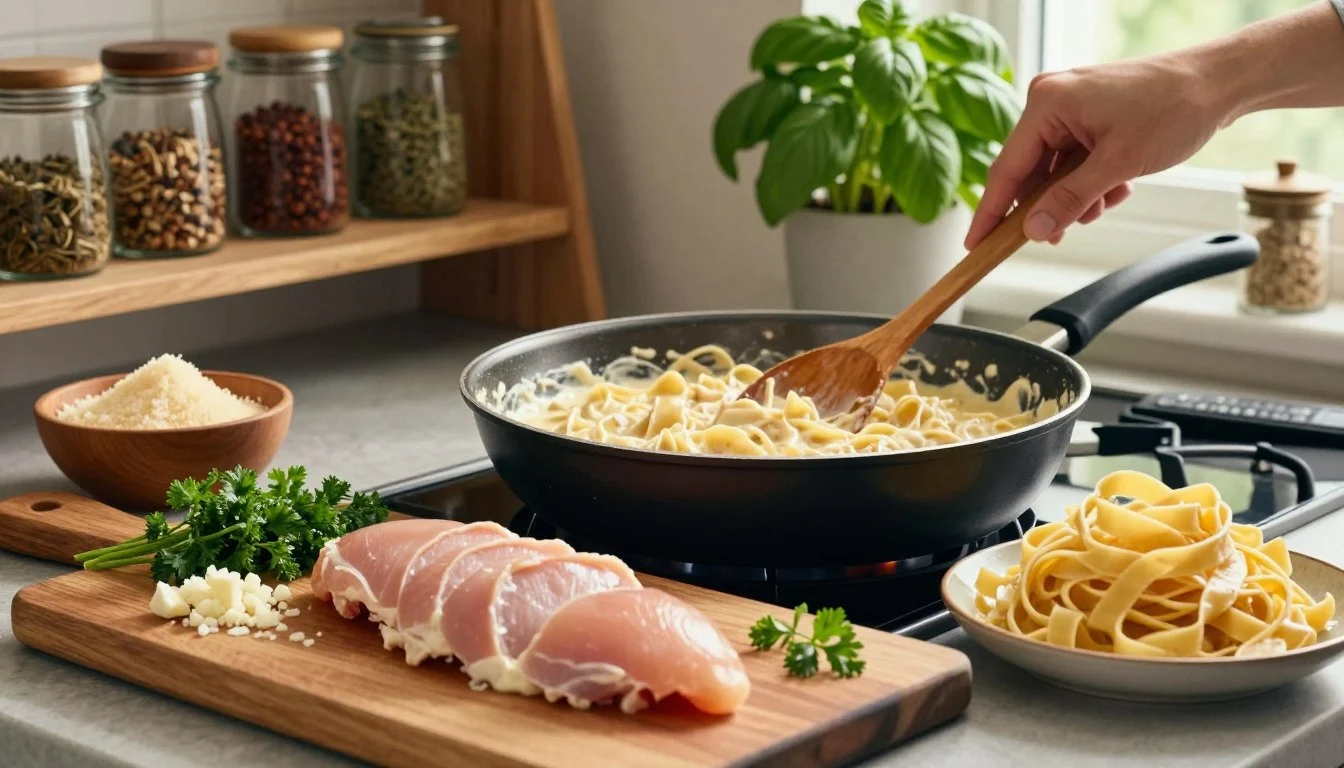
Start by gathering all your ingredients and tools. This is called mise en place. It stops you from looking for a missing spice while cooking. Measure your cream, grate cheese, and chop garlic before you begin.
Having everything ready makes cooking easier. Arrange your bowls and utensils in the order you’ll use them. This simple step helps you make chicken alfredo smoothly.
Cooking the Pasta to Al Dente
Boiling pasta right is key for a great dish. Boil a large pot of salted water before adding your noodles. The water should taste a bit salty, like the ocean.
Follow the package for cooking time, but start checking a minute early. You want the pasta to be firm but not hard. Drain it quickly and save some cooking water for later.
Searing the Chicken to Golden Perfection
To get a golden crust, dry your chicken breasts with paper towels. Season them well with salt and pepper before cooking. Cook in a hot skillet with a bit of oil. Don’t move the chicken too soon to get a rich, flavorful sear.
Cook the chicken until it’s 165°F inside. Let it rest for five minutes before slicing. This keeps the chicken juicy and tender.
| Component | Preparation Task | Target Result |
|---|---|---|
| Chicken Breast | Pat dry and season | Golden-brown crust |
| Pasta | Boil in salted water | Firm al dente texture |
| Aromatics | Mince garlic finely | Fragrant and soft |
| Cheese | Grate fresh parmesan | Smooth, creamy melt |
Mastering these steps will make you confident in making chicken alfredo. Each step builds on the last for a delicious meal. Focus on your timing to impress your guests with this classic dish.
Techniques for Combining Pasta and Sauce
To get that restaurant-style finish, you need to master combining pasta and sauce. This is where the magic happens, blending everything into a tasty dish. The right technique makes sure your fettuccine chicken alfredo sauce sticks to every pasta strand.
The Role of Starchy Pasta Water
Don’t throw away all your pasta water before draining. That cloudy liquid is a secret weapon for a smooth sauce. Adding a bit to your pan helps the sauce stick to the pasta, not slide off.
Tossing Methods for Even Coating
For even coating, use tongs to gently mix the noodles with the sauce. This method aerates the mix and ensures the fettuccine chicken alfredo sauce covers every part. Don’t stir too hard, as it can ruin the sauce’s texture.
Adjusting Sauce Thickness on the Fly
If your sauce is too thick, add a bit of pasta water. This simple adjustment thins it out while keeping it creamy. If it’s too thin, simmer it a bit longer while tossing until it’s just right for the perfect fettuccine chicken alfredo sauce.
Common Mistakes to Avoid When Making Alfredo Pasta
Learning how to make alfredo pasta is rewarding, but you must avoid common mistakes. Even skilled cooks can face issues when making this classic dish for the first time. Knowing these pitfalls helps ensure your dish turns out smooth and tasty.
Preventing Greasy or Broken Sauces
A broken sauce happens when heat is too high, causing fat to separate from dairy. To keep the sauce smooth, always use low heat while whisking. If the sauce looks oily, take it off the heat and add warm pasta water to mix it well.
Avoiding Overcooked or Rubbery Chicken
Dry, tough chicken can ruin a meal. Sear your chicken until it’s 165°F, then let it rest for five minutes before slicing. This ensures the meat stays tender when added to pasta.
Why Pre-Shredded Cheese Should Be Avoided
Many wonder how to make alfredo pasta that tastes like the real deal. The secret is in the cheese. Pre-shredded cheese has anti-caking agents that stop it from melting smoothly. Always grate your Parmesan fresh for that creamy finish.
| Common Mistake | Resulting Issue | Best Solution |
|---|---|---|
| High Heat | Broken, oily sauce | Use low, steady heat |
| Pre-shredded cheese | Gritty, clumpy texture | Grate fresh Parmesan |
| Overcooking meat | Dry, rubbery chicken | Rest meat before slicing |
Variations and Customizations for Your Alfredo
Transform your dinner routine with creative twists on Italian meals. Mastering the basics lets you try new chicken alfredo recipes. These tweaks keep your dinners exciting and fresh.
Adding Vegetables for Nutritional Balance
Fresh produce adds color and texture to your meal. Try steamed broccoli or baby spinach in your sauce. These greens add vitamins and fiber, balancing the meal.
Incorporating Different Proteins
Swap poultry for other proteins to change flavors. Shrimp or Italian sausage add savory depth. For a plant-based option, try seared tofu or mushrooms.
“Cooking is like painting or writing a song. Just as there are only so many notes or colors, there are only so many flavors—it’s how you combine them that sets you apart.”
Wolfgang Puck
Spicing Up Your Creamy Chicken Alfredo
Add heat with spices for a bold twist. Crushed red pepper flakes add warmth. Or, try Cajun seasoning for a zesty twist on chicken alfredo recipes.
| Customization Type | Ingredient Example | Flavor Impact |
|---|---|---|
| Vegetable | Sun-dried Tomatoes | Tangy and Sweet |
| Protein | Grilled Shrimp | Briny and Light |
| Spice | Cajun Blend | Bold and Smoky |
| Herb | Fresh Basil | Bright and Aromatic |
Pairing Suggestions for a Complete Italian Meal
A memorable Italian feast needs the right mix of flavors. Your pasta should be balanced by sides that offer a refreshing contrast. This way, every bite is light and satisfying, not heavy.
Selecting the Right Side Salads
A crisp, acidic salad is perfect with rich pasta. Choose greens like arugula or radicchio for a sharp bite. A simple vinaigrette with olive oil and lemon juice is better than creamy dressings.
Add crunchy elements like shaved fennel or toasted pine nuts. These add a delightful texture to your meal. A citrusy salad will keep your guests energized.
Choosing Complementary Bread Options
No Italian meal is complete without bread for sauce. Choose a crusty, artisanal bread. It should have a sturdy exterior and a soft interior.
Garlic bread is classic, but try a simple ciabatta or focaccia with herb oil. Avoid soft or sweet breads. Warm your bread in the oven for a crisp texture.
Wine Pairings for Creamy Pasta Dishes
The right wine can make your meal special. For creamy sauces, choose a white wine with acidity. A crisp Pinot Grigio or a buttery Chardonnay works well.
If you like red wine, go for light options like Pinot Noir or Barbera. These won’t overpower the dish. Always serve wine at the right temperature for the best flavor.
| Side Category | Recommended Choice | Why It Works |
|---|---|---|
| Salad | Arugula with Lemon Vinaigrette | Cuts through creaminess |
| Bread | Toasted Garlic Ciabatta | Perfect for sauce dipping |
| Wine | Chilled Pinot Grigio | Balances rich dairy notes |
Storage and Reheating Tips for Leftovers
Proper handling of leftovers keeps every bite as tasty as the first. Storing extra pasta correctly maintains its quality. This way, you avoid wasting food and have meals ready for later.
Proper Refrigeration Techniques
Store your dish in an airtight container once it cools. This stops bacteria growth. Try to refrigerate leftovers within two hours of cooking.
Use a shallow container to cool pasta evenly. This prevents warm spots. For meals lasting more than three days, freeze them. Always seal the container tightly to keep pasta fresh.
How to Reheat Without Breaking the Sauce
Warming up creamy pasta can be tricky. High heat can ruin the sauce. Instead, use low heat on the stovetop.
Add a bit of water or milk before heating. This keeps the sauce smooth. Stir constantly for even heating.
Freezing Considerations for Dairy-Based Sauces
Freezing creamy sauces can change their texture. But, it’s still possible to freeze leftovers. Place pasta in a freezer-safe bag or container.
Thaw in the fridge overnight before reheating. If the sauce is thin, add a bit of fresh cream or cheese. This will restore the texture.
Conclusion
Making a restaurant-quality meal at home is all about paying attention to details and using top-notch ingredients. You now know how to mix rich dairy, perfectly seared poultry, and al dente pasta with ease.
Improving your cooking skills takes time and patience. With each batch, you can tweak the seasoning and texture to match your taste. Feel free to add fresh herbs or seasonal veggies to make it your own.
Sharing a homemade meal brings people closer together. Your hard work in mastering these basic skills means every dish you serve is both comforting and tasty. Enjoy cooking for your loved ones as you keep honing your kitchen skills.
FAQ
What is the secret to achieving a perfect chicken alfredo sauce recipe?
The key is using high-quality cheese and managing the heat. Always choose freshly grated Parmigiano-Reggiano over pre-shredded cheese. This is because pre-shredded cheese has additives that prevent it from melting smoothly.When making your sauce, keep the heat low. This helps the cream and cheese mix together smoothly, creating a creamy sauce without any greasiness.
How to season chicken for alfredo to ensure it remains juicy and flavorful?
To season chicken well, use a mix of kosher salt, black pepper, and garlic powder. Sear the chicken in a hot skillet with olive oil to create a crispy crust. This helps keep the chicken moist.After cooking, let the chicken rest for at least five minutes. This step is crucial to keep the juices inside, making every bite tender and flavorful.
What is the best way to ensure the fettuccine chicken alfredo sauce sticks to the pasta?
Chefs use starchy pasta water to help the sauce stick. Before draining your pasta, save about a cup of the water. Add this water to your sauce when tossing the noodles.This starchy liquid helps the sauce cling to the pasta, making sure every bite is coated in the creamy sauce.
How to make alfredo pasta that tastes like it came from a high-end restaurant?
To make gourmet alfredo pasta, focus on preparation. Have your ingredients ready, like minced garlic and chopped parsley. Use premium ingredients like Kerrygold butter for better flavor.Choosing the right pasta texture, known as *al dente*, is also key. This ensures your dish is top-notch.
Can you suggest variations for those looking at different chicken alfredo recipes?
You can easily change up your chicken alfredo. Add sun-dried tomatoes and spinach for a Mediterranean twist. Or, use blackened shrimp for a Cajun flavor.For a healthier version, add steamed broccoli. It adds texture and vitamins, balancing the dish’s richness.
What is the proper way to reheat leftovers without the sauce separating?
Reheating sauce needs care. Avoid microwaving, as it can cause separation. Instead, heat your leftovers in a saucepan over low heat.Add a bit of milk or water to loosen the sauce. Stir constantly until it’s warm. This keeps the sauce smooth and flavorful.