Moroccan Bread Recipe: How to Make Authentic Homemade Moroccan Khobz
There are few foods that represent Moroccan culture better than traditional Moroccan bread, known locally as khobz. Whether it’s served with a slow-cooked tagine, a bowl of harira, or simply dipped in olive oil, fresh bread is part of nearly every meal in Morocco.
The best part is that you don’t need a bakery oven to enjoy authentic homemade bread. This Moroccan bread recipe is designed for any home kitchen and can be cooked in a heavy skillet or on a griddle. The result is a beautifully golden loaf with a crisp crust, a soft interior, and the authentic flavor that has made Moroccan bread a favorite for generations.
If you’ve never baked bread before, don’t worry. This step-by-step guide explains everything you need to know from choosing the right flour to avoiding common mistakes so you can confidently make delicious homemade Moroccan bread from scratch.
Table of Contents
What Is Moroccan Bread?
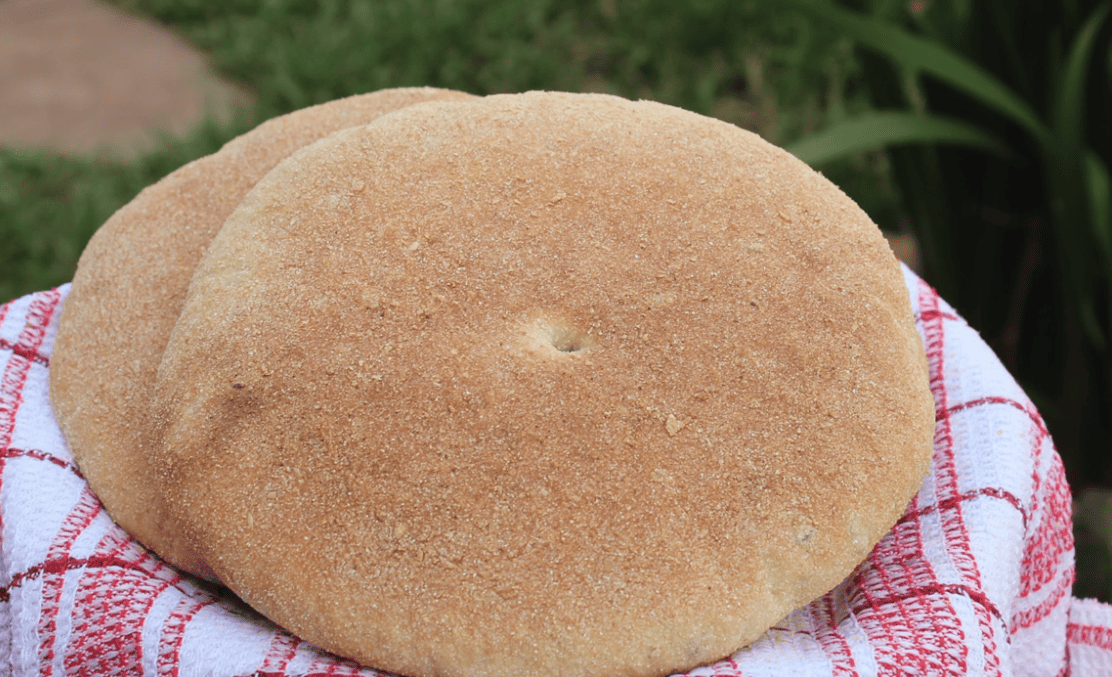
Moroccan bread, or khobz, is a round, rustic loaf with a slightly chewy texture and a golden crust. Unlike sandwich bread, it is designed to be torn into pieces and used to scoop food instead of using forks or spoons.
Bread holds a special place in Moroccan culture. Families often bake fresh loaves daily, and it’s considered an essential part of breakfast, lunch, and dinner. In many traditional homes, bread is shared from a single basket placed in the center of the table, making it both a practical food and a symbol of hospitality.
Although modern ovens are common today, many households still prepare Moroccan bread using stovetops or communal neighborhood ovens, preserving centuries-old baking traditions.
The History of Moroccan Khobz
The history of Moroccan khobz goes back hundreds of years. Morocco’s location between Europe, Africa, and the Middle East influenced its cuisine, including its bread-making traditions.
Berber communities originally baked simple flat loaves using barley and whole grains. Over time, wheat flour became more widely available, creating the soft round bread that is now found throughout the country.
Today, each region has its own variation. Coastal cities often produce lighter loaves, while mountain villages prefer denser breads made with barley or whole wheat flour.
Despite these regional differences, the basic recipe has remained surprisingly simple: flour, water, yeast, salt, and patience.
Different Types of Moroccan Bread
One of the reasons Moroccan bread recipe are so interesting is the variety available across the country.
White Khobz
The most common everyday bread, made primarily with all-purpose or bread flour. It has a soft crumb and crisp crust.
Whole Wheat Khobz
Made with whole wheat flour for a heartier texture and a richer, nuttier flavor.
Semolina Bread
Semolina adds a slightly coarse texture and creates the authentic taste many Moroccan families prefer.
Barley Bread
Popular in rural regions, barley bread is denser, more filling, and naturally rich in fiber.
Mixed Flour Bread
Many home bakers combine all-purpose flour, whole wheat flour, and semolina to create the perfect balance of softness and flavor.
Why You’ll Love This Moroccan Bread Recipe
This recipe is perfect because it:
- Requires only simple pantry ingredients.
- Doesn’t need an oven.
- Is beginner-friendly.
- Creates authentic Moroccan flavor.
- Produces a soft interior with a lightly crisp crust.
- Pairs well with dozens of savory and sweet dishes.
Even if you’ve never baked bread before, this method is straightforward and forgiving.
Ingredients
To make this traditional Moroccan bread recipe, you’ll need:
- 3 cups (400 g) all-purpose flour
- 1 cup semolina flour (optional but recommended)
- 2 teaspoons instant yeast
- 1 teaspoon sugar
- 1½ teaspoons salt
- 2 tablespoons olive oil
- 1¼ cups warm water (adjust as needed)
- Extra flour or semolina for dusting
Understanding the Ingredients
Choosing quality ingredients makes a noticeable difference.
Flour
All-purpose flour creates a soft loaf, while semolina gives the bread its traditional texture.
Yeast
Instant yeast works well because it rises quickly and consistently.
Olive Oil
Adds moisture while enhancing flavor.
Warm Water
The water should feel warm but never hot. Water that’s too hot can kill the yeast before the dough begins rising.
Kitchen Tools You’ll Need
You don’t need expensive baking equipment.
A few basic tools are enough:
- Large mixing bowl
- Measuring cups
- Kitchen scale (optional)
- Wooden spoon
- Clean kitchen towel
- Heavy skillet or cast-iron pan with lid
- Cooling rack
Step-by-Step Moroccan Bread Recipe
Step 1: Activate the Yeast
Mix the warm water, sugar, and yeast together.
Let the mixture rest for about 10 minutes until bubbles appear on the surface.
Foamy yeast means it’s active and ready.
Step 2: Mix the Dough
Combine the flour, semolina, and salt in a large bowl.
Pour in the yeast mixture along with the olive oil.
Mix until all the flour is hydrated and a rough dough forms.
Step 3: Knead Properly
Transfer the dough to a lightly floured surface.
Knead for about 10 minutes.
The dough should become smooth, soft, and slightly elastic.
If it feels sticky, sprinkle only a small amount of flour rather than adding too much at once.
Step 4: First Rise
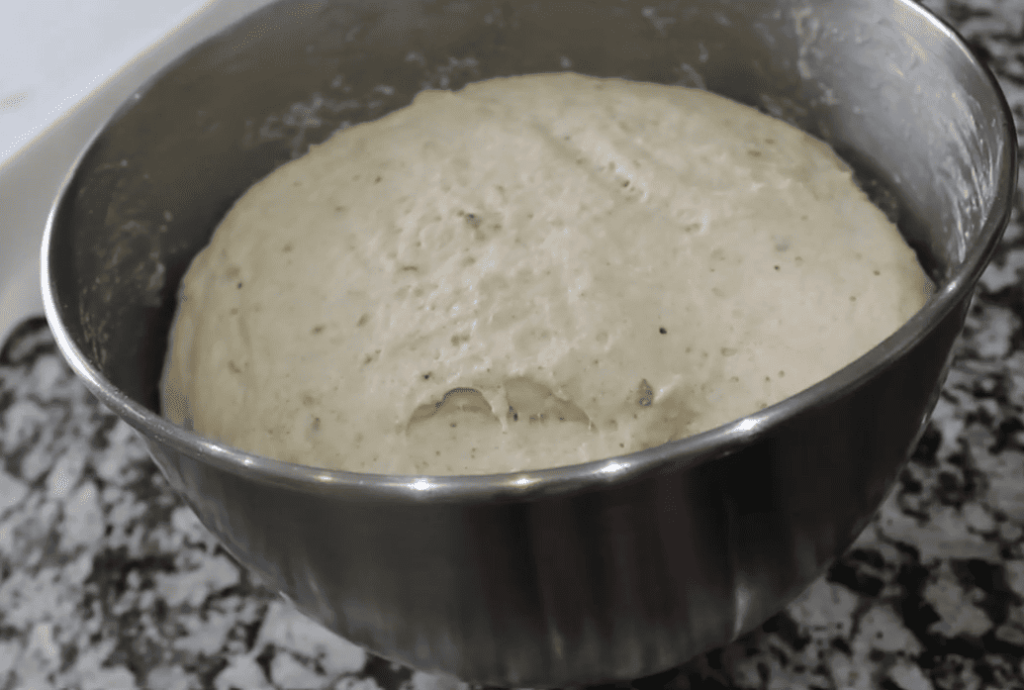
Place the dough inside a lightly oiled bowl.
Cover with a clean towel.
Allow it to rise in a warm place for approximately one hour, or until doubled in size.
Proper fermentation creates lighter bread with better flavor.
Step 5: Shape the Bread
Gently deflate the dough.
Divide it into two equal portions.
Shape each portion into a smooth ball before flattening into discs roughly ¾ inch thick.
Dust both sides lightly with semolina or flour.
Step 6: Second Rise
Allow the shaped loaves to rest for another 20 to 30 minutes.
This final proof helps create an airy interior.
Step 7: Cook Without an Oven
Heat a heavy skillet over low-medium heat.
Place one loaf inside.
Cover with a lid.
Cook approximately 8–10 minutes per side.
Turn carefully once the bottom becomes golden brown.
The bread is done when both sides are evenly browned and the loaf sounds hollow when tapped.
Step 8: Cool Before Cutting
Place the bread on a wire rack.
Wait at least 10 minutes before slicing.
Although it’s tempting to cut immediately, cooling allows the crumb to finish setting properly.
Chef’s Tips for Perfect Moroccan Bread
Professional bakers pay attention to small details that make a big difference.
- Weigh ingredients whenever possible.
- Never rush fermentation.
- Use low heat instead of high heat.
- Cover the skillet to trap steam.
- Rotate the loaf if your pan has hot spots.
- Let the bread cool naturally before storing.
These simple habits dramatically improve consistency.
Common Mistakes to Avoid
Even experienced bakers make mistakes from time to time.
Using Water That’s Too Hot
Hot water can destroy the yeast and prevent the dough from rising.
Adding Too Much Flour
Excess flour creates dry, dense bread.
Cooking Over High Heat
The crust burns before the center cooks.
Skipping the Second Rise
The bread becomes heavy instead of light and airy.
Cutting Immediately
Steam escapes too quickly, affecting texture.
Recipe Variations
Once you’ve mastered the classic Moroccan bread recipe, try these delicious variations.
Whole Wheat Moroccan Bread
Replace half of the all-purpose flour with whole wheat flour.
Sesame Moroccan Bread
Sprinkle sesame seeds over the top before cooking.
Herb Bread
Mix chopped parsley or fresh herbs into the dough.
Multigrain Bread
Add oats, flaxseed, or sunflower seeds for additional texture.
What to Serve with Moroccan Bread
Fresh Moroccan bread complements a wide range of dishes.
It is traditionally served with:
It also makes excellent sandwiches thanks to its chewy texture.
Storage and Freezing
Fresh bread always tastes best the day it’s is made, but leftovers store well.
- Store at room temperature in a cloth or paper bag for up to two days.
- Freeze for up to one month in an airtight freezer bag.
- Reheat in a dry skillet or warm oven until soft and heated through.
Avoid refrigerating the bread, as refrigeration can make it stale more quickly.
Nutrition Information (Approximate Per Serving)
| Nutrient | Amount |
|---|---|
| Calories | 210 |
| Carbohydrates | 40 g |
| Protein | 6 g |
| Fat | 4 g |
| Fiber | 2 g |
| Sodium | 290 mg |
Values are approximate and may vary depending on the flour used.
Frequently Asked Questions
Can I bake Moroccan bread in the oven?
Yes. Bake at 425°F (220°C) for about 20–25 minutes until golden brown.
Why didn’t my bread rise?
The yeast may have been inactive, the water may have been too hot, or the dough may not have rested long enough.
Can I make Moroccan bread without semolina?
Absolutely. All-purpose flour alone still produces delicious homemade bread.
Can I freeze Moroccan bread?
Yes. Wrap it tightly and freeze for up to one month.
Is Moroccan bread the same as pita bread?
No. Although both are round, Moroccan khobz is thicker, denser, and has a different texture and flavor.
What’s the best flour for Moroccan bread?
A combination of all-purpose flour and semolina creates the most authentic results.
Can beginners make this recipe?
Definitely. This Moroccan bread recipe uses simple techniques and is suitable even if it’s your first time baking bread.
Final Thoughts
Making traditional Moroccan bread at home is easier than many people expect. With only a few everyday ingredients and a simple stovetop method, you can recreate one of Morocco’s most beloved foods without needing a special oven or professional baking equipment.
Whether you’re serving it alongside a rich tagine, dipping it into olive oil, or enjoying it warm with butter and honey, this Moroccan bread recipe delivers authentic flavor, a satisfying texture, and the comforting experience of freshly baked bread. Once you’ve tried it, you’ll understand why khobz remains an essential part of Moroccan cooking and family meals.