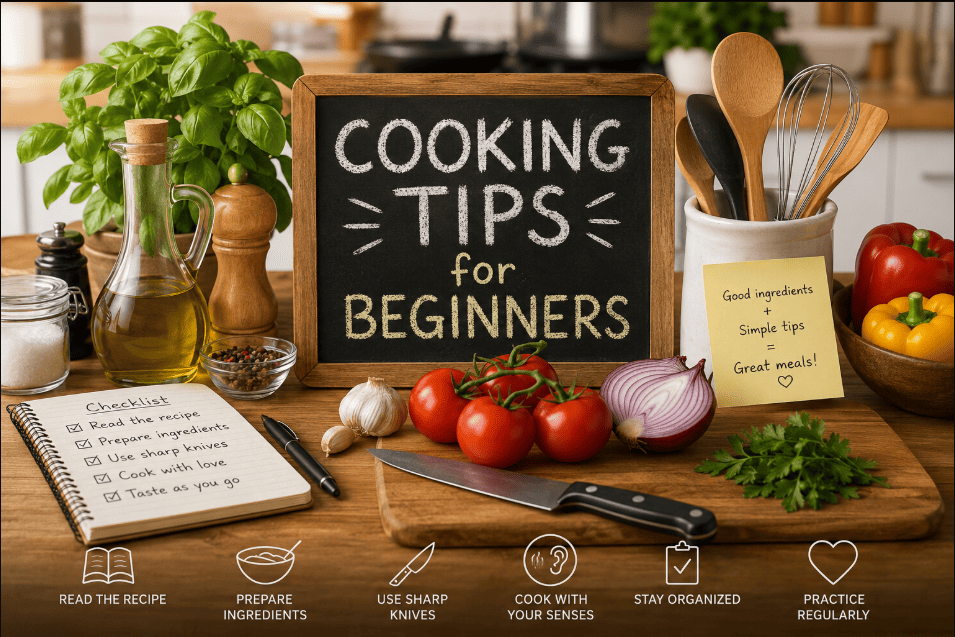
10 Essential Cooking Tips for Beginners
Learning how to cook is one of the most valuable skills you can develop. Whether you’re preparing meals for yourself, your family, or friends, cooking at home allows you to enjoy fresher ingredients, healthier dishes, and the satisfaction of creating something from scratch.
The good news is that becoming a better cook doesn’t require expensive equipment or professional training. Most great home cooks build their skills by practicing simple habits that improve every meal they prepare.
In this guide, you’ll discover Essential Cooking Tips for beginners that will help you stay organized, avoid common mistakes, and cook with greater confidence from your very first recipe.
Table of Contents
Why Learning Basic Cooking Skills Matters
Many beginners believe that good cooking is all about following a recipe. While recipes are important, developing good kitchen habits is what truly makes the difference.
Simple practices like preparing your ingredients before cooking, using the right tools, and paying attention to cooking times can dramatically improve your results. These habits also make cooking less stressful and much more enjoyable.
The more comfortable you become in the kitchen, the easier it will be to try new recipes and develop your own cooking style.
1. Read the Entire Recipe Before You Begin
One of the easiest ways to prevent mistakes is to read the recipe from start to finish before turning on the stove.
Many cooking problems happen because an important step is overlooked. Perhaps the vegetables should have been prepared first, or maybe the recipe requires saving some cooking liquid later in the process. Reading everything beforehand helps you understand the workflow and keeps you from rushing through important details.
Even if a recipe looks simple, taking a few minutes to review it can save time and prevent unnecessary frustration.
2. Prepare Your Ingredients First
Professional chefs rarely stop cooking to chop vegetables or measure spices. Everything is prepared before the actual cooking begins.
This habit is often called mise en place, a French expression that means “everything in its place.”
Before you start cooking, try to:
- Wash your vegetables.
- Chop onions and herbs.
- Measure spices.
- Prepare sauces.
- Gather cooking utensils.
- Place everything within easy reach.
When everything is ready, you can focus entirely on cooking instead of constantly searching for ingredients.
3. Keep Your Kitchen Organized
A clean workspace makes cooking faster, safer, and more enjoyable.
As you cook, return ingredients to their place after using them and wipe spills immediately. Avoid overcrowding your countertop with unnecessary items.
An organized kitchen allows you to move comfortably and concentrate on the food rather than the mess around you.
4. Invest in a Good Sharp Knife
Many beginners believe dull knives are safer because they seem less dangerous.
In reality, the opposite is true.
A sharp knife cuts through ingredients with less pressure, making it easier to control. Dull knives often slip because they require extra force, increasing the risk of accidents.
A quality chef’s knife that’s comfortable to hold can become your most valuable kitchen tool.
5. Buy the Best Ingredients Within Your Budget
You don’t need luxury ingredients to prepare delicious meals.
However, choosing fresh vegetables, quality meat, good olive oil, and flavorful spices can greatly improve the final result.
Fresh ingredients naturally provide better flavor, meaning you won’t have to rely on excessive seasoning to make your food taste good.
Even simple recipes become impressive when made with fresh ingredients.
6. Don’t Rush the Cooking Process
Some dishes are meant to cook slowly.
Stews, soups, sauces, and traditional recipes like Moroccan Chicken Tagine or Moroccan Beef Tagine develop much richer flavors when cooked over gentle heat.
Trying to speed up the process often leads to dry meat, uneven cooking, or weak flavors.
Patience is one of the most important ingredients in great cooking.
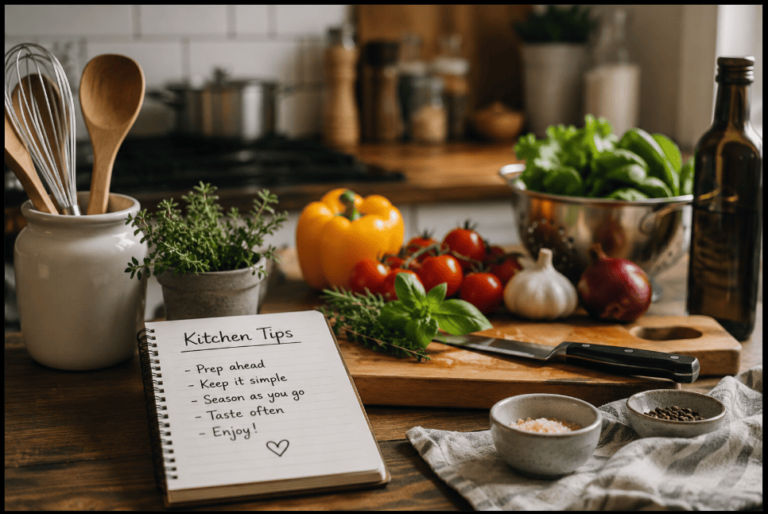
7. Taste Your Food as You Cook
One of the best habits you can develop in the kitchen is tasting your food throughout the cooking process. Waiting until the meal is finished often means it’s too late to fix the seasoning or balance the flavors.
As sauces simmer, soups cook, or vegetables soften, take a small taste and make gradual adjustments if needed. Add a little salt, pepper, herbs, or spices only when necessary. Small changes made during cooking are much easier than trying to correct the flavor at the very end.
Remember that seasoning should enhance the natural taste of your ingredients, not overpower them.
8. Learn to Cook with Your Senses
Recipes provide helpful guidance, but your senses often tell you much more than a timer.
Pay attention to what you see, smell, hear, and taste while cooking.
- If onions begin turning golden, they’re developing sweetness.
- If you smell something burning, reduce the heat immediately.
- If meat feels firm, it may be fully cooked.
- If vegetables are bright and tender, they’re usually ready to serve.
The more you cook, the more you’ll learn to recognize these small signs, making you less dependent on exact cooking times.
9. Keep Your Workspace Comfortable
Many beginners focus only on the food and forget about their own comfort.
Wear comfortable shoes if you’ll be standing for a long time. Keep your countertop at a comfortable working height whenever possible, and make sure your kitchen is well lit.
Good posture also matters. Standing naturally instead of bending over the counter for long periods helps reduce fatigue and makes cooking much more enjoyable.
A comfortable cook is often a more confident cook.
10. Don’t Be Afraid to Try New Ingredients
One of the most exciting parts of cooking is discovering new flavors.
If you always buy the same vegetables, spices, or cuts of meat, you’ll never know what you’re missing. Challenge yourself to try one new ingredient every now and then.
You might discover a spice that transforms your favorite soup or a fresh herb that becomes a regular part of your recipes.
Cooking is a journey of learning, and curiosity is one of your greatest tools.
Common Cooking Mistakes Beginners Should Avoid
Everyone makes mistakes while learning to cook. The important thing is recognizing them and learning how to avoid them.
Some of the most common beginner mistakes include:
- Starting to cook without reading the recipe.
- Using high heat for every dish.
- Overcrowding the pan.
- Forgetting to taste the food while cooking.
- Using dull knives.
- Adding too much salt at once.
- Constantly lifting the lid while food is simmering.
- Cooking in a cluttered workspace.
Fortunately, these mistakes become less common as you gain experience and confidence.
Essential Kitchen Tools for Beginners
Having the right equipment makes cooking easier, but you don’t need a professional kitchen to prepare delicious meals.
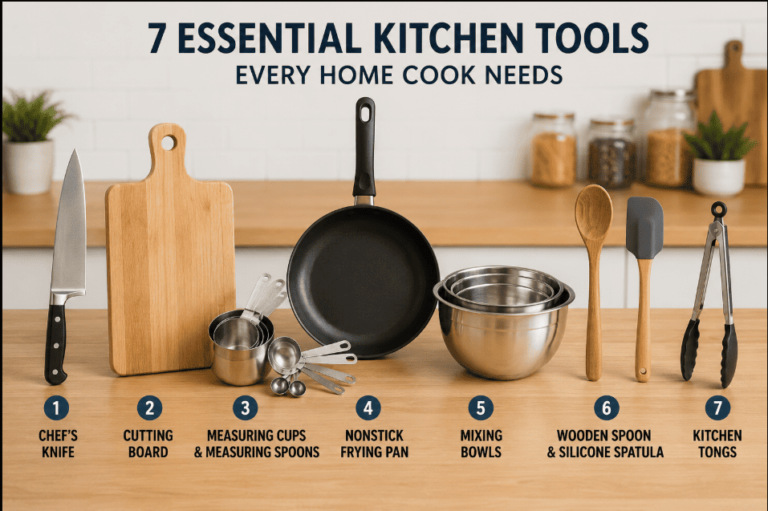
A few essential tools include:
- A sharp chef’s knife
- A sturdy cutting board
- Measuring cups and spoons
- Mixing bowls
- A non-stick frying pan
- A saucepan
- Wooden spoons or silicone spatulas
- A colander
- A vegetable peeler
- A food thermometer (optional but helpful)
Quality tools often last for many years and make everyday cooking much more enjoyable.
Build Confidence One Meal at a Time
Every experienced cook was once a beginner.
Don’t compare your first homemade meal to dishes prepared by professional chefs. Instead, focus on improving a little with every recipe.
Celebrate small successes, learn from mistakes, and remember that cooking should be enjoyable rather than stressful.
Confidence grows naturally through practice, patience, and curiosity.
Frequently Asked Questions
What is the best way to improve cooking skills?
The best way to become a better cook is through regular practice. Start with simple recipes, learn one technique at a time, and don’t be discouraged by mistakes. Every meal you prepare helps build your confidence and experience.
Should I always follow a recipe exactly?
When trying a recipe for the first time, it’s a good idea to follow it as written. Once you understand the cooking method and the expected flavor, you can begin adjusting seasonings or ingredients to suit your personal taste.
Why is preparation so important before cooking?
Preparing your ingredients before you start cooking helps you stay organized and reduces stress. It also prevents forgotten ingredients and allows you to focus entirely on cooking instead of rushing to chop vegetables or measure spices at the last minute.
Do expensive kitchen tools make you a better cook?
Not necessarily. A few reliable, good-quality tools are more valuable than a kitchen full of expensive gadgets. A sharp knife, a sturdy cutting board, and durable cookware are enough to prepare excellent meals.
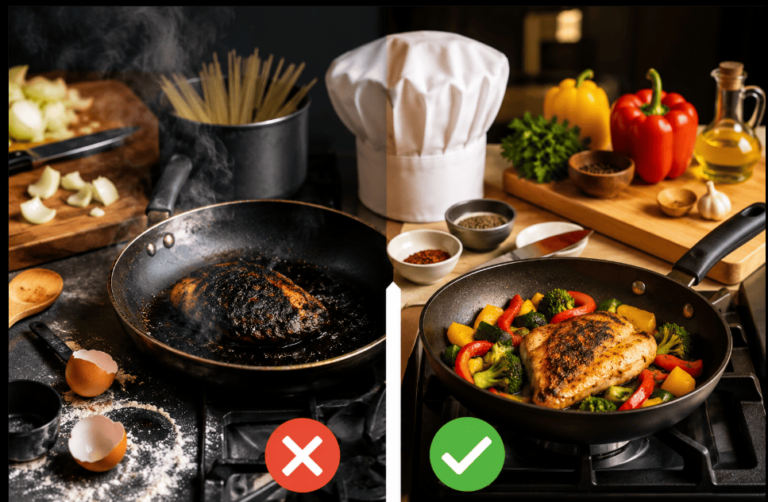
How can I avoid burning food?
Cook over the appropriate heat, pay attention to your food, and avoid leaving the kitchen while something is cooking. Listening to the sound of the pan, watching color changes, and smelling your food are simple habits that help prevent burning.
Is it normal to make mistakes when learning to cook?
Absolutely. Every skilled cook has made mistakes while learning. Burned food, overcooked vegetables, or dishes that didn’t turn out as expected are all part of the learning process. The important thing is to understand what went wrong and keep practicing.
Recommended Articles
If you’re just starting your cooking journey, these guides can help you build even more confidence in the kitchen:
- 7 Essential Kitchen Tools Every Home Cook Needs
- Essential Kitchen Tips Every Beginner Should Know
- 15 Common Cooking Mistakes and How to Avoid Them
These articles complement the tips in this guide and will help you continue improving your cooking skills.
Final Thoughts
Learning to cook isn’t about making every meal perfect it’s about building confidence, developing good habits, and enjoying the process. Every recipe you prepare teaches you something new, whether it’s improving your knife skills, understanding how flavors work together, or simply becoming more comfortable in the kitchen.
Remember that even experienced cooks continue learning throughout their lives. New ingredients, different cooking techniques, and creative recipes offer endless opportunities to grow. Don’t be afraid to experiment once you’ve mastered the basics, and always take time to enjoy the meals you prepare.
Cooking is more than following instructions; it’s a practical skill that brings people together, encourages creativity, and helps you create memorable meals for family and friends. The more time you spend in the kitchen, the more natural cooking will become.
So start with simple recipes, stay patient, and keep practicing. Every meal is another step toward becoming a more confident and capable home cook.