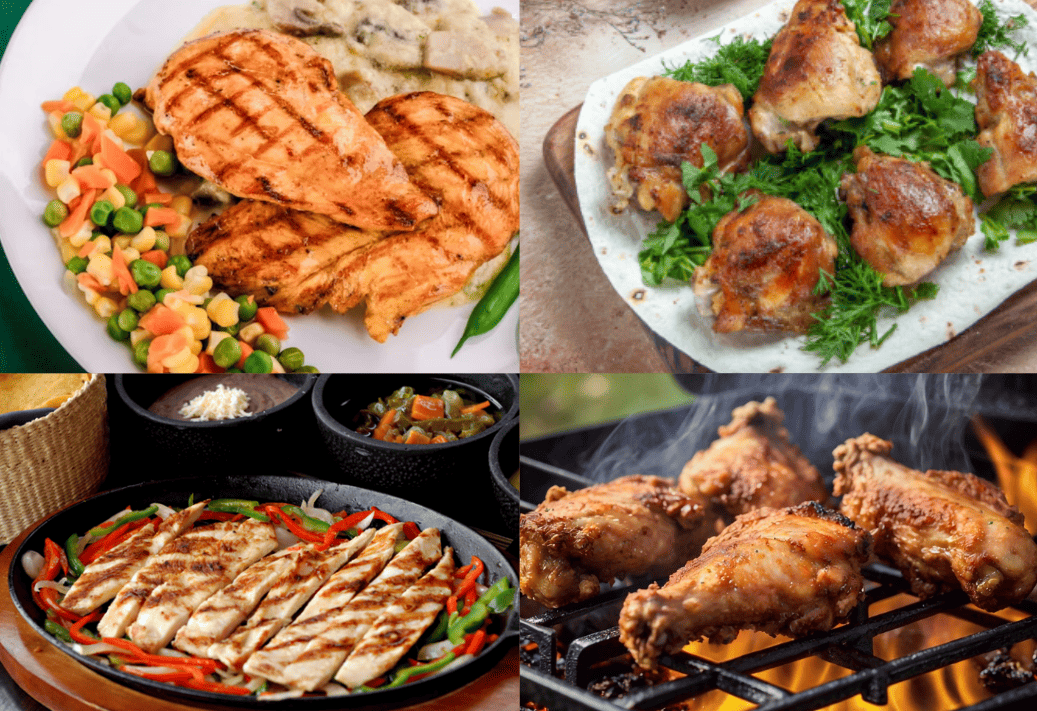
How to Cook Chicken Perfectly Every Time
Chicken is one of the most popular proteins in the world, loved for its versatility, affordability, and nutritional value. Yet, despite its popularity, many people struggle to cook it perfectly. Some end up with dry, chewy chicken breasts, while others worry about undercooking it and compromising food safety.
The truth is that how you cook chicken matters just as much as the ingredients you use. Even the highest-quality chicken can become bland, tough, or dry if it isn’t prepared using the right techniques. On the other hand, simple cuts of chicken can become incredibly juicy, tender, and flavorful when cooked correctly.
Learning how to cook chicken perfectly every time is about much more than creating delicious meals. Proper cooking ensures that harmful bacteria are eliminated while preserving the meat’s natural moisture, texture, and nutrients. A well-cooked piece of chicken should be moist on the inside, beautifully browned on the outside, and bursting with flavor in every bite.
Whether you’re preparing a quick weeknight dinner, grilling outdoors, roasting a whole chicken for a family gathering, or meal-prepping for the week ahead, mastering a few essential techniques can dramatically improve your cooking results.
In this complete guide, you’ll discover the best way to cook chicken, avoid common cooking mistakes, learn professional cooking tips, and understand how to consistently achieve juicy, flavorful, and safe chicken every single time.
Table of Contents
Why Proper Chicken Cooking Is So Important
Cooking chicken properly affects three essential factors:
- Flavor
- Texture
- Food Safety
Many people focus only on seasoning, believing that spices alone create delicious chicken. While herbs, spices, and marinades certainly help, the cooking method itself has the biggest influence on the final result.
Better Flavor
Proper cooking allows the natural juices inside the chicken to stay where they belong. When chicken is cooked too quickly or at excessively high temperatures, those juices escape, leaving behind dry meat that even the best seasoning cannot rescue.
Correct cooking also creates beautiful browning through the Maillard reaction—a chemical process responsible for the rich golden crust that gives roasted, grilled, and pan-seared chicken its irresistible flavor.
Better Texture
Texture is often the biggest difference between average and exceptional chicken.
Perfectly cooked chicken should be:
- Tender
- Juicy
- Easy to slice
- Moist throughout
- Slightly firm without becoming rubbery
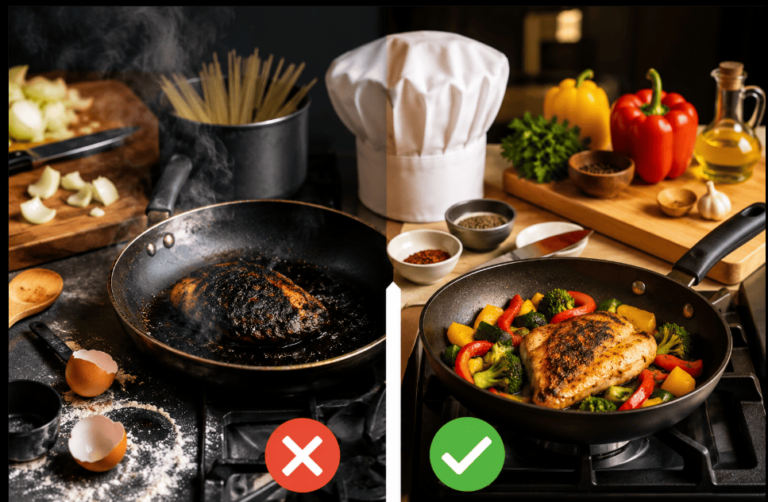
Overcooking breaks down the meat fibers too much, resulting in dry, stringy chicken. Undercooking, however, leaves an unpleasant texture and poses serious health risks.
Protecting Your Health
Safe chicken cooking should never be overlooked.
Raw chicken may contain harmful bacteria such as Salmonella or Campylobacter. Proper cooking destroys these bacteria, making your meal safe to eat.
At the same time, safe handling practices—such as washing your hands, avoiding cross-contamination, and storing chicken at the correct temperature—are just as important as the cooking process itself.
Mastering both food safety and cooking technique ensures every meal is not only delicious but also healthy.
Choosing the Right Chicken
Cooking starts long before the pan or oven is heated.
Selecting quality chicken gives you a significant advantage.
When shopping, look for chicken that appears:
- Firm
- Fresh
- Moist but not slimy
- Light pink in color
- Free from unpleasant odors
Whenever possible, choose fresh chicken rather than meat that has been repeatedly frozen and thawed. Repeated freezing can negatively affect both texture and moisture.
Different cuts also require different cooking methods.
Chicken Breast
Chicken breast is lean, high in protein, and cooks quickly.
However, because it contains very little fat, it can dry out easily if overcooked.
Best cooking methods include:
- Pan-searing
- Baking
- Grilling
- Air frying
Chicken Thighs
Chicken thighs contain more fat and connective tissue.
This extra fat keeps them naturally juicy and forgiving, making them an excellent choice for beginners.
They perform especially well when:
- Roasted
- Braised
- Grilled
- Slow-cooked
Chicken Drumsticks and Wings
These cuts are ideal for roasting, grilling, frying, or air frying because the skin becomes crispy while the meat stays tender.
Whole Chicken
Cooking a whole chicken delivers incredible flavor because the bones help retain moisture throughout the cooking process.
Although it takes longer, roasting a whole bird often produces the juiciest results.
Preparing Chicken Before Cooking
Many home cooks skip this stage, but proper preparation makes an enormous difference.
Bring Chicken Closer to Room Temperature
Remove the chicken from the refrigerator about 20 to 30 minutes before cooking.
This helps it cook more evenly.
Cold chicken placed directly into a hot pan often cooks unevenly, leaving the outside overdone before the center reaches the proper temperature.
Do not leave raw chicken out for more than two hours (or one hour in hot weather).
Pat It Dry
Before seasoning, gently pat the chicken dry with paper towels.
Removing excess surface moisture helps create better browning and crispier skin.
Dry surfaces caramelize far better than wet ones.
Season Generously
One of the simplest chicken cooking tips is not to under-season.
Salt is especially important because it enhances flavor and helps the meat retain moisture during cooking.
A basic seasoning blend may include:
- Salt
- Black pepper
- Garlic powder
- Onion powder
- Paprika
From there, you can customize flavors using herbs like rosemary, thyme, oregano, parsley, or spices such as cumin, chili powder, or smoked paprika.
Fresh lemon zest or a squeeze of lemon juice can also brighten the overall flavor.
Why Marinating Makes a Difference
Marinating is one of the easiest ways to improve flavor while helping chicken stay juicy.
A balanced marinade usually contains:
- Oil
- Acid (lemon juice, vinegar, or yogurt)
- Salt
- Herbs
- Spices
- Aromatics like garlic or ginger
Oil helps transfer flavors.
Acids gently tenderize the meat.
Salt improves moisture retention.
For chicken breasts, marinate for 30 minutes to 4 hours.
Chicken thighs and drumsticks can benefit from longer marinating times, often up to overnight.
Avoid marinating chicken in highly acidic mixtures for too long, as excessive acid can eventually make the surface texture mushy instead of tender.
The Secret to Juicy Chicken Every Time
If there is one rule professional chefs follow consistently, it is this:
Avoid overcooking.
Most dry chicken is not caused by poor seasoning.
It is caused by cooking for too long.
Instead of relying only on cooking time, use temperature as your guide.
Cooking time varies depending on:
- Thickness
- Cooking method
- Bone-in or boneless cuts
- Starting temperature
- Oven accuracy
Learning to judge doneness accurately is one of the most valuable skills any home cook can develop-and it’s the foundation for consistently juicy, flavorful chicken.
Best Ways to Cook Chicken Perfectly
There is no single cooking method that works best for every cut of chicken. Each technique offers unique advantages depending on the flavor, texture, and meal you want to create. Understanding when to use each method is one of the keys to cooking chicken perfectly every time.
1. Baking Chicken in the Oven
Baking is one of the easiest and most reliable methods for cooking chicken. It requires little supervision and produces consistent results, making it ideal for busy home cooks.
To bake chicken successfully:
- Preheat the oven before placing the chicken inside.
- Lightly coat the chicken with olive oil or melted butter to help it brown.
- Season generously on all sides.
- Avoid overcrowding the baking dish so hot air can circulate evenly.
Chicken breasts generally cook well at 400°F (200°C), while bone-in pieces may require a slightly longer cooking time. Always rely on the internal temperature rather than the clock to determine doneness.
For extra moisture, cover the chicken with foil during the first part of cooking and remove it near the end to allow the surface to brown.
2. Grilling Chicken
Grilling creates smoky flavors and beautiful char marks that are difficult to achieve using other cooking methods.
However, grilling requires careful attention because direct heat can quickly dry out lean cuts.
For the best grilled chicken:
- Preheat the grill thoroughly.
- Clean and oil the grates.
- Cook over medium heat whenever possible.
- Turn the chicken only once or twice.
- Avoid pressing the meat with a spatula, which squeezes out valuable juices.
Boneless chicken breasts cook quickly, while thighs and drumsticks tolerate longer grilling thanks to their higher fat content.
Marinated chicken performs especially well on the grill because the oil and seasonings enhance both flavor and moisture.
3. Pan-Seared Chicken
Pan-searing is perfect for creating restaurant-quality chicken with a crisp golden exterior and juicy center.
Start by heating a heavy skillet until it’s hot but not smoking.
Add a small amount of oil before placing the chicken in the pan.
One of the biggest mistakes home cooks make is moving the chicken too soon.
Allow the meat to develop a golden crust naturally before flipping it. This creates better flavor and prevents sticking.
After browning both sides, lower the heat slightly to finish cooking the interior without burning the outside.
Adding butter, garlic, and fresh herbs during the final minutes creates an aromatic sauce that coats the chicken beautifully.
4. Air Frying Chicken
Air fryers have become incredibly popular because they produce crispy chicken using very little oil.
They work by circulating hot air rapidly around the food, creating an effect similar to deep frying.
Air-fried chicken is ideal for:
- Chicken breasts
- Wings
- Drumsticks
- Chicken tenders
Avoid overcrowding the basket, as proper airflow is essential for even cooking.
Turning the chicken halfway through the cooking process helps achieve an evenly browned finish.
5. Slow Cooking
Slow cookers are excellent for recipes that require tender, pull-apart chicken.
Cooking at a low temperature over several hours allows connective tissues to soften gradually while preserving moisture.
Slow-cooked chicken works wonderfully in:
- Soups
- Stews
- Sandwiches
- Tacos
- Pasta dishes
- Rice bowls
Adding vegetables, herbs, and broth creates rich flavors with very little effort.
The Importance of Internal Temperature
One of the most important chicken cooking tips is learning to judge doneness using temperature rather than appearance.
Many people cut into the chicken repeatedly to check if it’s cooked. Unfortunately, every cut releases valuable juices.
Instead, use an instant-read meat thermometer.
The thickest part of the chicken should reach 165°F (74°C) before serving.
Once this temperature is reached, harmful bacteria have been destroyed, making the chicken safe to eat while still retaining its natural moisture.
This simple habit dramatically improves both food safety and cooking consistency.
Let Chicken Rest Before Serving
Many people spend time cooking chicken perfectly only to slice it immediately after removing it from the heat.
This is a mistake.
While cooking, the juices inside the meat are pushed toward the center.
Allowing the chicken to rest for 5 to 10 minutes gives those juices time to redistribute throughout the meat.
The result is noticeably juicier chicken with every slice.
Skipping the resting period often causes the juices to run onto the cutting board instead of remaining inside the meat.
Common Mistakes That Dry Out Chicken
Understanding what not to do is just as valuable as learning proper techniques.
Here are some of the most common mistakes home cooks make.
Cooking at Extremely High Heat
Very high temperatures cook the exterior too quickly while the inside struggles to cook evenly.
The outside becomes dry before the center reaches a safe temperature.
Moderate heat usually produces better overall results.
Overcooking
This is the number one reason chicken becomes dry.
Even a few extra minutes can dramatically change the texture, especially with chicken breast.
Using a thermometer eliminates guesswork and prevents unnecessary overcooking.
Skipping the Marinade
While not every recipe requires a marinade, taking even 30 minutes to marinate chicken often results in noticeably more flavorful and tender meat.
Using Too Little Seasoning
Chicken has a mild flavor that benefits from generous seasoning.
Salt, pepper, herbs, spices, garlic, citrus, and fresh herbs all contribute to a richer taste.
Season every side of the chicken instead of just the top.
Crowding the Pan
When too many pieces of chicken are placed in the pan at once, steam builds up.
Instead of browning, the chicken begins to steam.
Cook in batches if necessary to achieve proper caramelization.
Professional Tips for Juicy Chicken Every Time
Professional chefs rely on a few simple habits that consistently improve results.
Brine the Chicken
Soaking chicken in a saltwater solution before cooking helps it retain moisture during the cooking process.
Even a quick 30-minute brine can make a noticeable difference.
Use Bone-In Cuts
Bones slow down the cooking process and help the surrounding meat remain juicy.
Bone-in thighs and breasts are often more forgiving than boneless versions.
Cook Evenly Sized Pieces
If one chicken breast is twice as thick as another, they won’t finish cooking at the same time.
Pounding thicker pieces to an even thickness promotes uniform cooking.
Finish with Fresh Herbs
Adding chopped parsley, thyme, basil, rosemary, or cilantro after cooking brightens the flavor without overpowering the chicken.
Fresh herbs also improve presentation.
Add Healthy Fats
A drizzle of olive oil, melted butter, or herb-infused oil just before serving enhances richness while keeping the meat moist.
Healthy Ways to Cook Chicken
If you’re looking for nutritious meals, choose cooking methods that require little added fat.
Some of the healthiest options include:
- Baking
- Grilling
- Air frying
- Steaming
- Poaching
Pair your chicken with vegetables, whole grains, salads, or roasted potatoes to create a balanced meal rich in protein, vitamins, and minerals.
Healthy cooking doesn’t have to sacrifice flavor. Using herbs, spices, garlic, onions, citrus, and homemade marinades allows you to create delicious meals without relying on excessive amounts of butter or heavy sauces.
The Best Seasonings for Flavorful Chicken
One of the reasons chicken is so popular is that it pairs well with almost any seasoning. Whether you prefer bold, spicy flavors or light, herb-infused dishes, the right combination of spices can transform a simple piece of chicken into an unforgettable meal.
Here are some of the best seasonings to keep in your kitchen:
- Salt and freshly ground black pepper
- Garlic powder
- Onion powder
- Smoked paprika
- Sweet paprika
- Italian seasoning
- Dried oregano
- Thyme
- Rosemary
- Parsley
- Cumin
- Chili powder
- Cayenne pepper
- Lemon zest
- Fresh garlic
- Fresh ginger
For a Mediterranean-inspired meal, combine olive oil, garlic, oregano, rosemary, lemon juice, and black pepper.
If you enjoy smoky barbecue flavors, try paprika, garlic powder, onion powder, brown sugar, chili powder, and a touch of cayenne pepper.
For Asian-inspired chicken, soy sauce, ginger, garlic, sesame oil, and a small amount of honey create a delicious balance of savory and sweet flavors.
The key is to season generously while maintaining balance so that the natural flavor of the chicken still shines through.
How to Store Cooked Chicken Properly
Even perfectly cooked chicken can lose its quality if it isn’t stored correctly.
Allow cooked chicken to cool slightly before refrigerating, but don’t leave it at room temperature for more than two hours.
Store it in an airtight container to help preserve moisture and prevent it from absorbing odors from other foods in the refrigerator.
Properly refrigerated cooked chicken can generally be enjoyed for several days, making it an excellent choice for meal preparation.
If you plan to keep it longer, freezing is a great option. Wrap the chicken tightly or store it in freezer-safe containers to reduce freezer burn and preserve its texture.
How to Reheat Chicken Without Drying It Out
Many people believe leftover chicken is naturally dry, but this usually happens because it is reheated incorrectly.
The best way to reheat chicken is slowly and gently.
In the Oven
Place the chicken in a baking dish with a small splash of chicken broth or water.
Cover it with foil to trap moisture before warming it in the oven until heated through.
In a Skillet
Heat the chicken over low to medium heat with a small amount of oil or butter.
Adding a few tablespoons of broth helps restore moisture.
In the Microwave
Although convenient, microwaves can dry out chicken quickly.
Use medium power instead of full power, cover the chicken with a microwave-safe lid, and heat it in short intervals, turning it between each round for even warming.
Frequently Asked Questions
Why Does My Chicken Always Turn Out Dry?
Dry chicken is almost always the result of overcooking. Lean cuts such as chicken breasts contain very little fat, so even a few extra minutes of cooking can remove much of their natural moisture.
Using an instant-read thermometer and allowing the chicken to rest before slicing are two of the most effective ways to keep it juicy.
Should I Wash Raw Chicken Before Cooking?
No.
Washing raw chicken is not recommended because it can spread harmful bacteria through splashing water onto kitchen surfaces, utensils, and nearby foods.
Instead, remove the chicken from its packaging, pat it dry with paper towels if needed, season it, and cook it thoroughly.
What Is the Safest Internal Temperature for Chicken?
Chicken is considered safe to eat when the thickest part reaches an internal temperature of 165°F (74°C).
Checking the temperature with a food thermometer is far more reliable than judging by color alone.
Is Chicken Breast or Chicken Thigh Better?
Both are excellent choices, but they offer different advantages.
Chicken breast is leaner and higher in protein, making it ideal for those looking for a lighter meal.
Chicken thighs contain more fat, which makes them naturally juicier and more forgiving during cooking.
The best choice depends on your personal preferences and the recipe you’re preparing.
Can I Cook Chicken Straight from Frozen?
While it is possible to cook frozen chicken safely using certain methods, thawing it first usually produces better texture, more even cooking, and improved flavor.
Whenever possible, thaw chicken in the refrigerator before cooking.
Final Thoughts
Mastering how to cook chicken perfectly every time is one of the most valuable skills any home cook can develop. Great chicken isn’t about using expensive ingredients or complicated recipes—it’s about understanding the fundamentals of proper preparation, careful seasoning, safe cooking, and the right techniques.
From choosing high-quality chicken and seasoning it generously to using the correct cooking method and checking the internal temperature, every step plays an important role in the final result. Small habits, such as patting the chicken dry, avoiding overcrowded pans, and allowing the meat to rest before slicing, can make a remarkable difference in flavor and texture.
Remember that there is no single “perfect” method for every recipe. Baking, grilling, pan-searing, air frying, and slow cooking each have their strengths. The secret is choosing the technique that best suits the cut of chicken and the meal you want to create.
Most importantly, don’t be afraid to practice and experiment. Every time you cook, you’ll gain a better understanding of timing, seasoning, and heat control. Before long, preparing juicy, tender, and flavorful chicken will become second nature.
By applying the tips in this guide, you’ll be able to serve delicious chicken that’s not only packed with flavor but also cooked safely and consistently-whether you’re making a quick weekday dinner, preparing meals for the week, or hosting family and friends for a special occasion.
Perfect chicken isn’t achieved by chance. It’s the result of good technique, attention to detail, and a little patience. Once you master these essentials, you’ll enjoy flavorful, healthy, and perfectly cooked chicken every single time.