
15 Common Cooking Mistakes and How to Avoid Them
15 Common Cooking Mistakes and How to Avoid Them
Everyone makes mistakes in the kitchen—even experienced home cooks and professional chefs. I certainly have.
When I first started cooking seriously, I believed that following a recipe was enough. I quickly learned that great cooking isn’t just about ingredients or instructions, it’s about understanding what can go wrong and knowing how to prevent it.
Some mistakes happen almost every day in home kitchens, while others are less obvious but can quietly ruin a dish. Over the years, I’ve made nearly all of them, and each failure taught me something valuable.
In this guide, I’ll share the most common cooking mistakes I’ve encountered, explain why they happen, and show you exactly how to avoid them. Hopefully, you’ll learn from my experience instead of repeating my errors.
Table of Contents
1. Not Reading the Entire Recipe Before You Start
This is probably the first mistake I ever made.
I used to skim recipes, assuming I’d figure things out as I cooked. Then I’d suddenly discover that the dough needed two hours to rise or the sauce required ingredients I hadn’t prepared.
How to Avoid this Cooking Mistakes
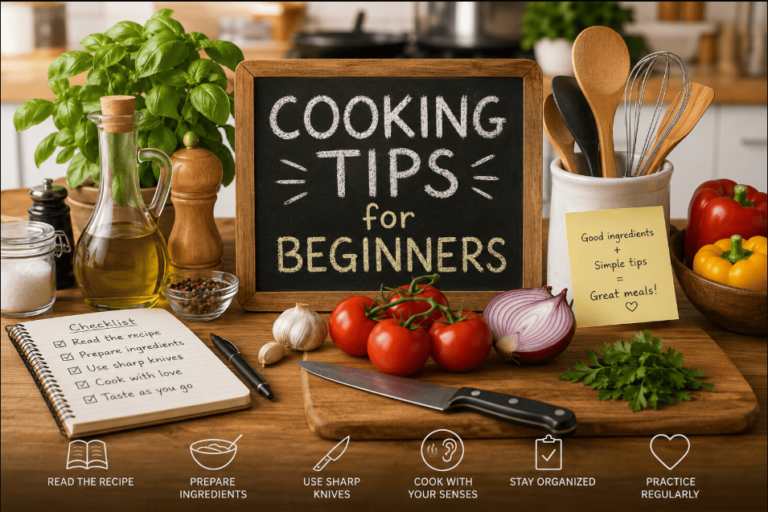
Take two or three minutes to read the recipe from beginning to end before touching any ingredients. You’ll understand the timing, identify special equipment, and avoid unpleasant surprises halfway through cooking.
2. Cooking with a Cold Pan
Years ago, I constantly wondered why my chicken stuck to the pan or why vegetables turned soggy instead of nicely browned.
The problem wasn’t my cooking—it was my impatience.
A cold pan doesn’t create proper browning and often causes food to stick.
How to Avoid It
Allow your pan to heat for a minute or two before adding oil. Then let the oil warm slightly before placing your food in the pan.
3. Overcrowding the Pan
This is one of the most common mistakes home cooks make.
When too much food is placed in the pan at once, moisture gets trapped. Instead of browning, the food steams.
I’ve ruined countless batches of potatoes and chicken this way.
How to Avoid It
Cook in batches if necessary. Give each piece enough space so heat can circulate and create a beautiful golden crust.
4. Constantly Flipping or Stirring Food
I used to think that moving food around meant I was paying attention.
In reality, I was preventing it from developing color and flavor.
Meat, fish, and vegetables need time to caramelize.
How to Avoid It
Place the food in the pan and leave it alone until it naturally releases. Patience almost always produces better results.
5. Seasoning Only at the End
Adding salt just before serving is rarely enough.
Seasoning throughout the cooking process builds layers of flavor that can’t be achieved with a final sprinkle.
How to Avoid It
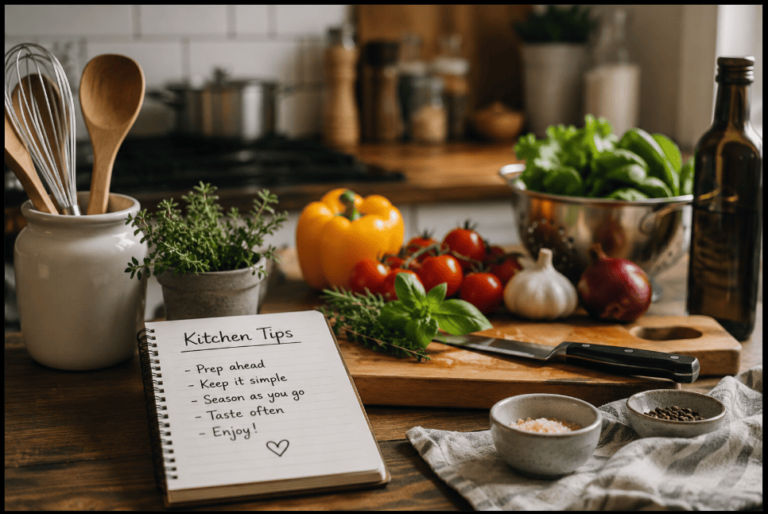
Season lightly as you cook, tasting along the way. Adjust the final seasoning only after the dish is nearly finished.
6. Ignoring Ingredient Temperature
I once baked a cake with cold eggs and butter straight from the refrigerator.
The batter separated, and the texture was disappointing.
Temperature matters more than many people realize.
How to Avoid It
Unless a recipe specifically says otherwise, allow butter, eggs, and dairy products to reach room temperature before baking.
7. Using the Wrong Knife
For years, I believed every knife could do every job.
Using a dull paring knife to chop vegetables or a serrated knife for herbs only made cooking slower and less safe.
How to Avoid It
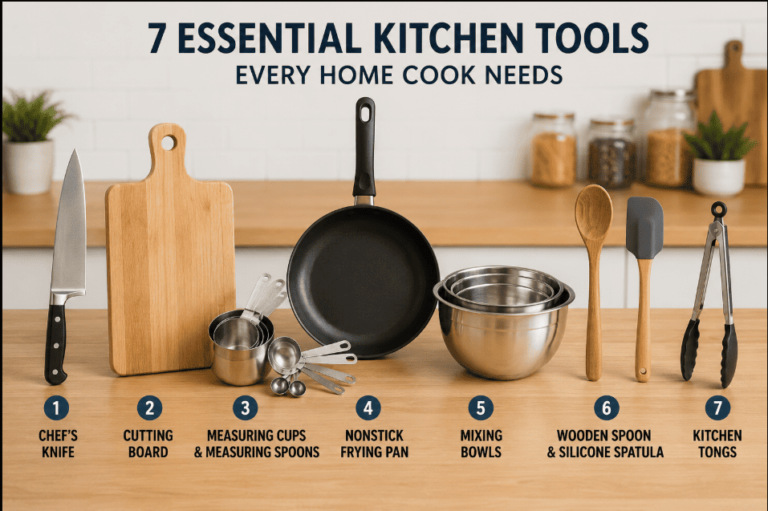
Use a chef’s knife for most chopping, a paring knife for delicate work, and a serrated knife for bread and tomatoes. Most importantly, keep your knives sharp.
8. Guessing Instead of Measuring
Experienced cooks sometimes estimate ingredients successfully—but beginners often overestimate their abilities.
I’ve learned that baking, especially, leaves very little room for guessing.
How to Avoid It
Measure ingredients carefully when baking, and use measuring spoons for spices and baking powder. Precision leads to consistent results.
9. Forgetting to Taste While Cooking
One of my biggest early mistakes was waiting until the meal was finished before tasting it.
By then, fixing the seasoning was much harder.
How to Avoid It
Taste your food several times during cooking. Small adjustments made early usually produce a much better final dish.
10. Cooking Meat by Time Instead of Temperature
Recipes often say, “Cook for 20 minutes.”
What they don’t mention is that every stove, oven, and piece of meat is different.
I overcooked many beautiful steaks before realizing this.
How to Avoid this Cooking Mistakes
Use an instant-read thermometer whenever possible. Internal temperature is far more reliable than cooking time.
11. Skipping the Resting Time
After spending an hour preparing a roast or steak, it’s tempting to slice it immediately.
I used to do exactly that-and watched all the juices run onto the cutting board.
How to Avoid this Cooking Mistakes
Let meat rest for several minutes before cutting. The juices redistribute throughout the meat, making every bite more tender and flavorful.
12. Adding Garlic Too Early
Garlic cooks much faster than onions.
I learned this the hard way after burning garlic countless times and giving sauces an unpleasant bitter taste.
How to Avoid this Cooking Mistakes
Cook onions first. Add garlic during the final minute before adding liquids or other ingredients.
13. Opening the Oven Door Too Often
Every time the oven door opens, a significant amount of heat escapes.
I once ruined several cakes simply because I couldn’t resist checking them every few minutes.
How to Avoid this Cooking Mistakes
Trust your timer and use the oven light whenever possible. Only open the door when necessary.
14. Forgetting to Dry Ingredients Before Cooking
This mistake isn’t discussed very often, but it makes a huge difference.
Wet vegetables won’t roast properly, and damp chicken skin never becomes crispy.
How to Avoid this Cooking Mistakes
Pat vegetables, meat, seafood, and poultry dry with paper towels before cooking, especially when roasting or pan-searing.
15. Not Cleaning as You Go
This isn’t a cooking mistake that ruins flavor, but it can ruin the entire cooking experience.
I used to finish dinner only to face a mountain of dirty bowls, knives, and pans.
Cooking became stressful instead of enjoyable.
How to Avoid this Cooking Mistakes
Wash tools while food cooks, wipe down counters regularly, and return ingredients to their place as soon as you’re finished using them.
Final Thoughts
The truth is that becoming a better cook isn’t about never making mistakes-it’s about learning from them.
Every experienced cook has burned garlic, overcooked chicken, forgotten an ingredient, or crowded a pan at some point. I certainly have. Those moments were frustrating, but they also taught me lessons that no recipe ever could.
If you can avoid even a handful of these common mistakes, you’ll notice an immediate improvement in your cooking. Your food will develop better flavor, better texture, and a more professional finish, while your confidence in the kitchen will continue to grow with every meal you prepare.
Remember, great cooking isn’t about perfection. It’s about understanding the process, paying attention to the small details, and enjoying the journey one dish at a time.